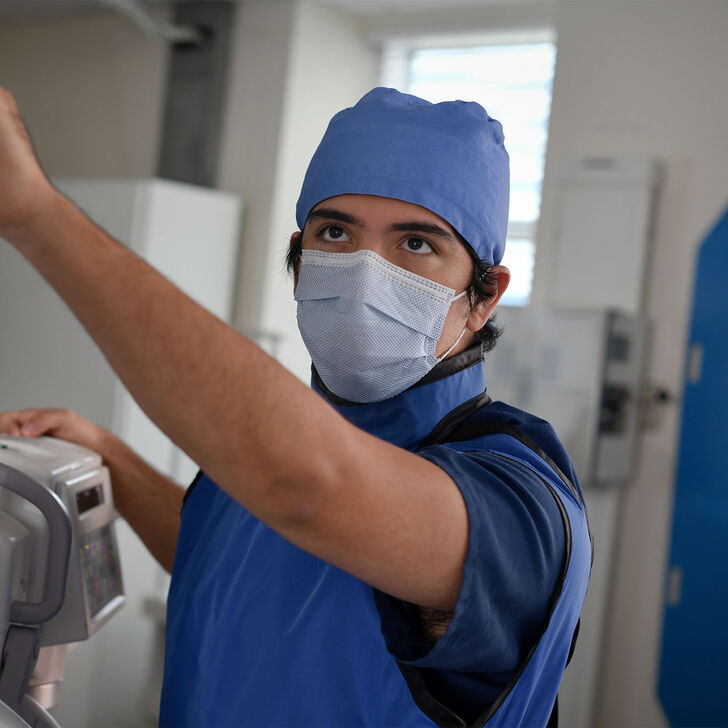
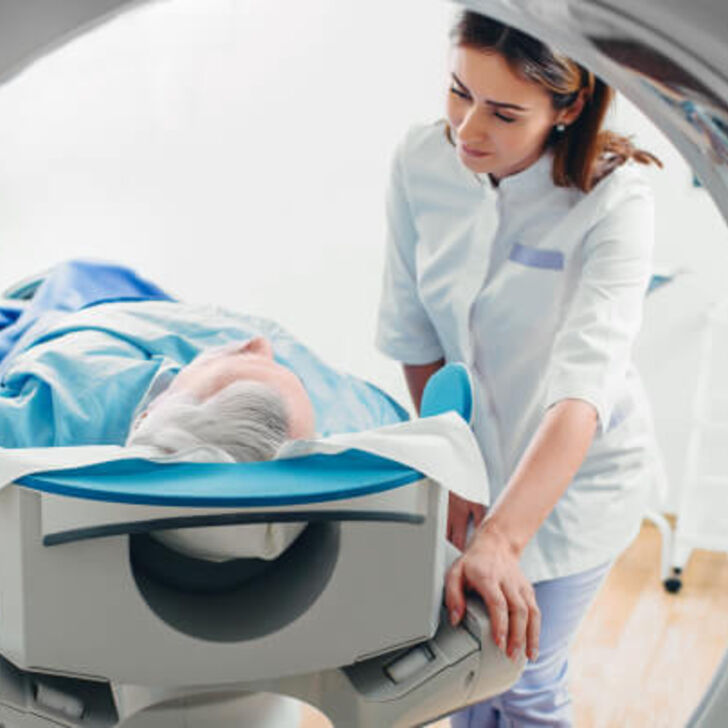
U.S. News & World Report recently ranked the role of Radiologic Technologist No. 13 in its 2021 list of “Best Healthcare Support Jobs” and No. 71 in its 2021 “100 Best Jobs” list.
Sonography, also known as ultrasound, is one of the most widely used forms of diagnostic healthcare imaging. Sonography plays an important role in the diagnosis, monitoring, and treatment of a broad range of medical conditions.
Virtually every area of the industry has benefited from technology, including radiology and medical imaging. For example, vascular interventional radiology uses modern imaging equipment to perform minimally invasive vascular procedures.
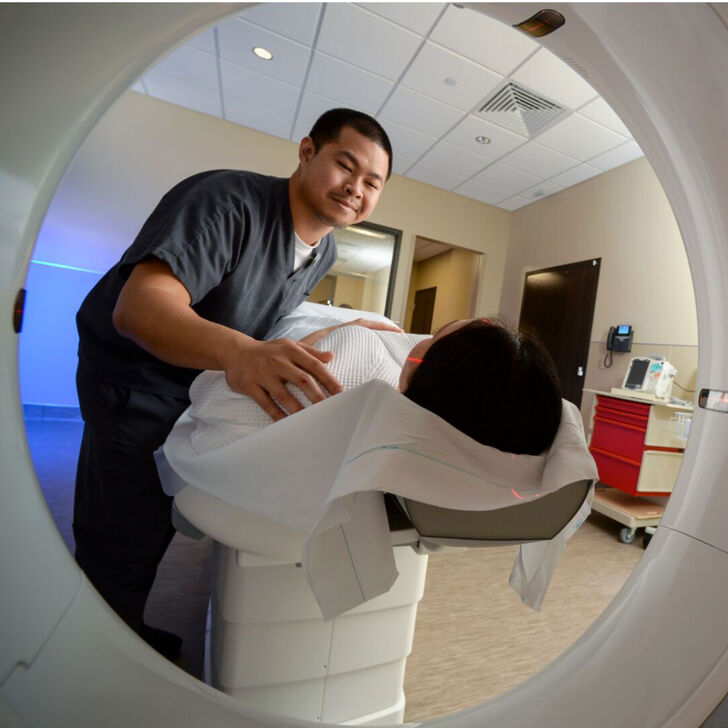
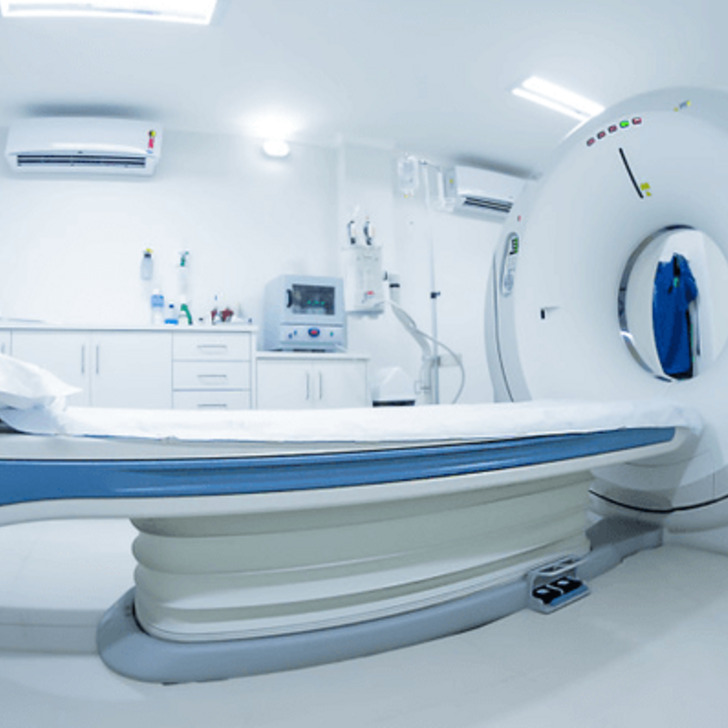
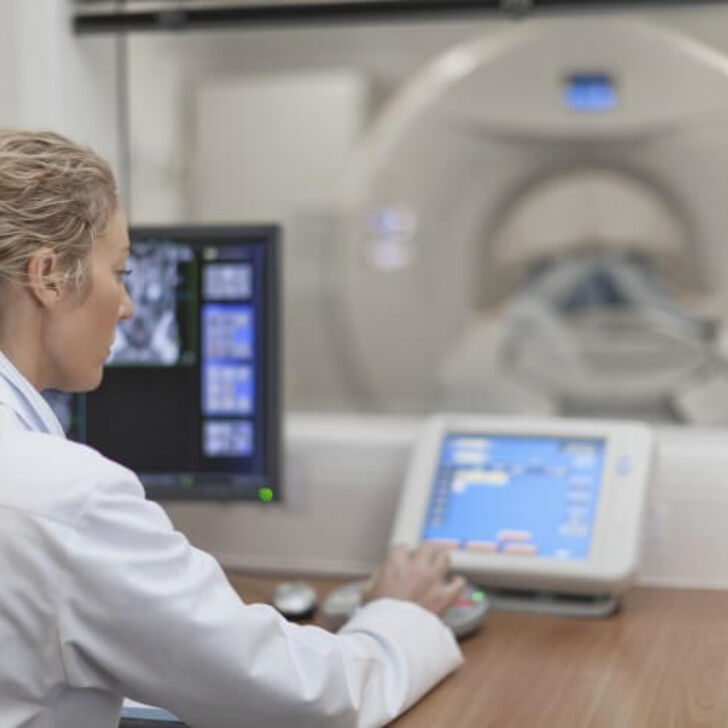
A career as a computed tomography (CT) technologist offers a wide range of opportunities and benefits. Every day, CT technologists use specialized equipment to take images of patients’ bodies, generating scans that assist in diagnosing diseases and
On any given day in a medical facility, the majority of registered nurses and nurse practitioners see three or more patients per hour. This means nurses can interact with some 36 to 48 patients in a single 12-hour rotation.
Radiology has been an important aspect of the medical field for over 100 years; however, many essential imaging techniques and components that medical professionals use today — including imaging informatics — have only been around for a few decades.
Imaging technologists who are interested in pursuing different types of medical imaging modalities, enhancing their skills and knowledge, and advancing their careers, should consider a bachelor’s in imaging sciences.
Radiology directors play a critical role in the healthcare setting, as doctors and patients rely on accurate imaging to diagnose medical problems ranging from bone fractures to brain tumors.
Doctors often rely on medical imaging to diagnose torn shoulder muscles, monitor the progression of a pregnancy, or plan treatment for a tumor. Medical imaging allows healthcare providers to gather vital information about injuries, diseases, and treatments