
By 2030, 1 in 5 Americans will be retirement age, according to the U.S. Census Bureau. As the U.S. population ages, the sonographer job outlook grows more promising.
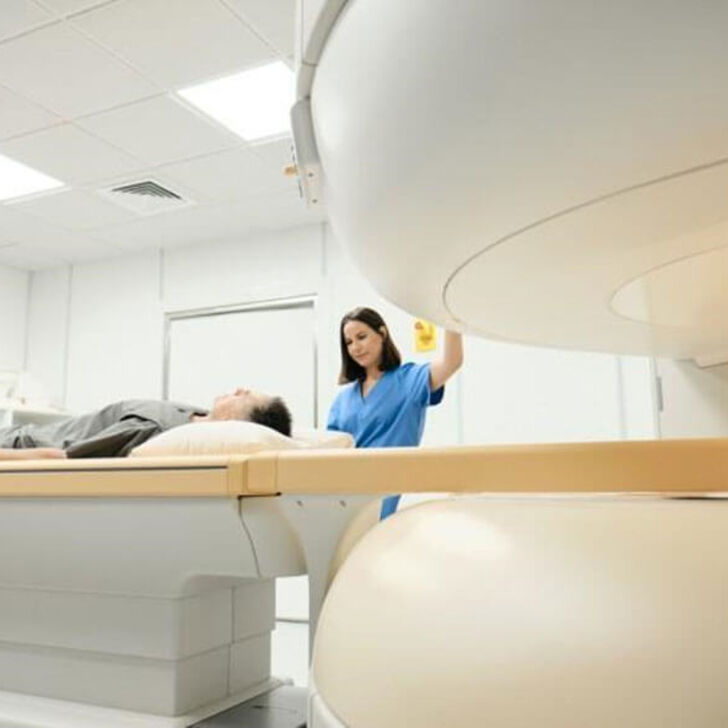
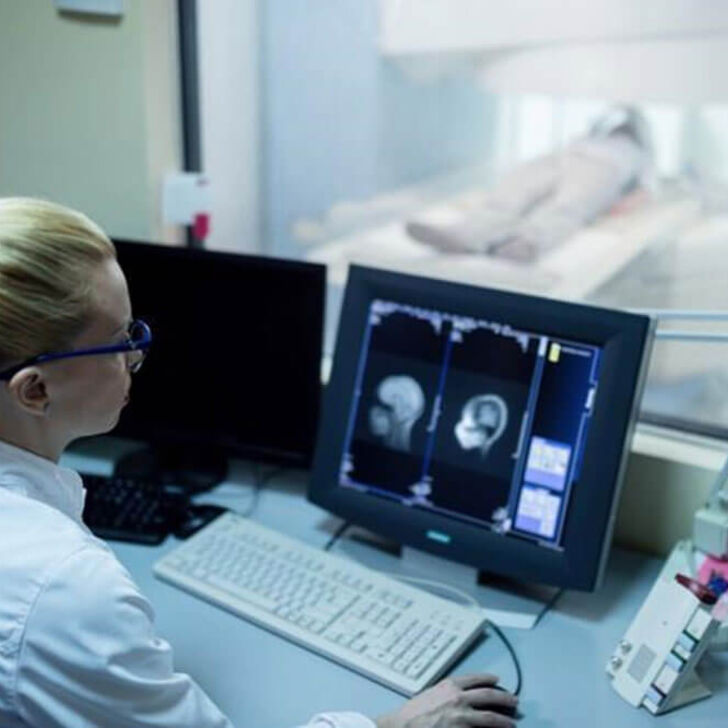
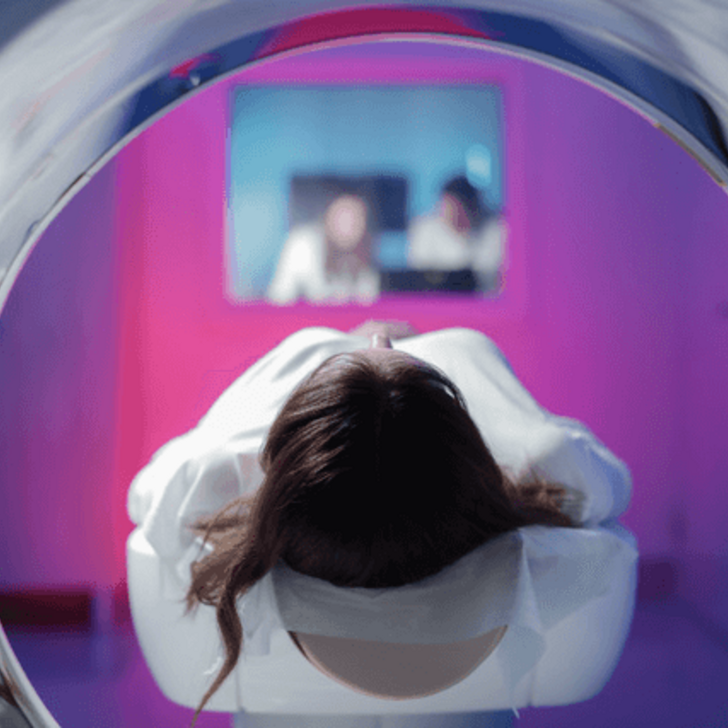
Magnetic resonance imaging (MRI) uses magnetic fields and radiofrequency and advanced scanners to provide high-quality images of structures and organs inside the human body.
U.S. News & World Report recently ranked the role of Radiologic Technologist No. 13 in its 2021 list of “Best Healthcare Support Jobs” and No. 71 in its 2021 “100 Best Jobs” list.
Sonography, also known as ultrasound, is one of the most widely used forms of diagnostic healthcare imaging. Sonography plays an important role in the diagnosis, monitoring, and treatment of a broad range of medical conditions.
A patient with swelling and pain deep in one leg receives an order to get an MRA scan. A patient who’s having problems with leg movement after a fall receives an order to get an MRI. Same areas of the body, same directive to get an imaging scan. But
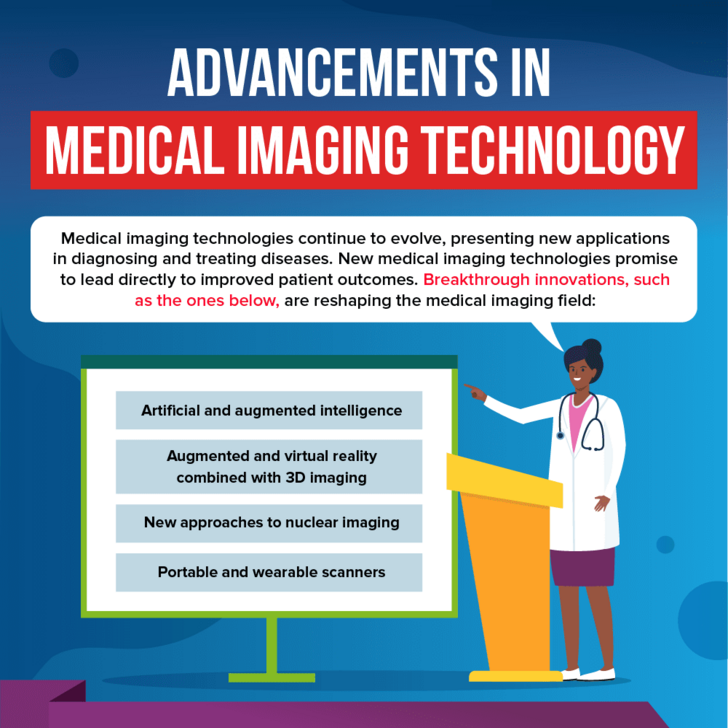
Virtually every area of the industry has benefited from technology, including radiology and medical imaging. For example, vascular interventional radiology uses modern imaging equipment to perform minimally invasive vascular procedures.
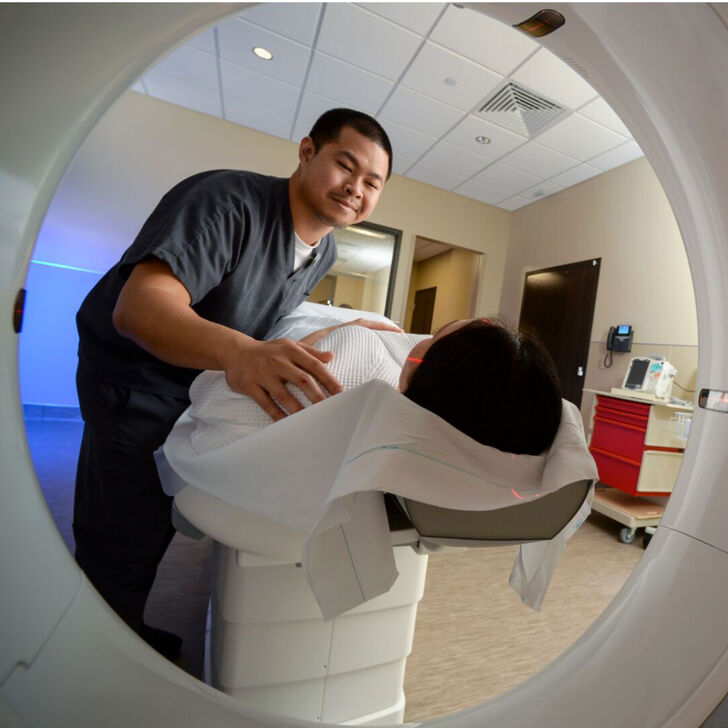
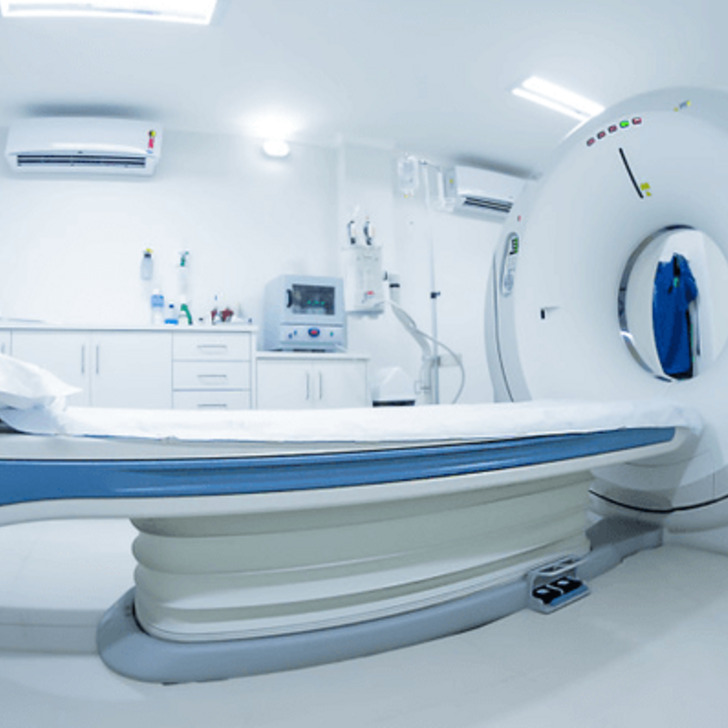
A career as a computed tomography (CT) technologist offers a wide range of opportunities and benefits. Every day, CT technologists use specialized equipment to take images of patients’ bodies, generating scans that assist in diagnosing diseases and